
Healthy Mouth Bacteria: Why Balance Matters
Your mouth is home to a complex community of bacteria known as the oral microbiome. A healthy mouth contains hundreds of different types of bacteria that work together to protect your teeth, gums, and overall oral health.
In fact, scientists have identified more than 700 types of beneficial mouth bacteria. These bacteria live in saliva and on tooth surfaces, helping defend against harmful microbes and maintaining a healthy oral environment.
When Mouth Bacteria Become Unbalanced
Problems arise when a few harmful bacteria begin to dominate. One of the most well-known is Streptococcus mutans (S. mutans), a cavity-causing bacterium that thrives in acidic conditions and feeds on sugars and carbohydrates.
Because teeth provide a stable, non-shedding surface, harmful bacteria can form sticky layers of plaque and produce acids that weaken enamel and increase the risk of cavities.
Think of Your Mouth Like a Garden
A healthy oral microbiome is similar to a thriving garden. Beneficial bacteria are like flowers and healthy grass, while harmful bacteria are like weeds.
Simply eliminating bacteria isn't the goal. Just as removing every plant from a garden leaves room for weeds to return, harsh approaches that disrupt all bacteria can make it easier for harmful strains to take over. The key is supporting a diverse, balanced population of beneficial bacteria.
How Mouth Bacteria Spread
Mouth bacteria are easily shared through saliva. Family members, caregivers, classmates, and spouses naturally exchange bacteria through everyday interactions.
This is especially important during childhood. As a baby's first teeth erupt, bacteria quickly colonize the mouth and establish the foundation of the child's oral microbiome. Encouraging healthy bacterial balance early in life can support better oral health for years to come.
Using Xylitol to Support a Healthy Oral Microbiome
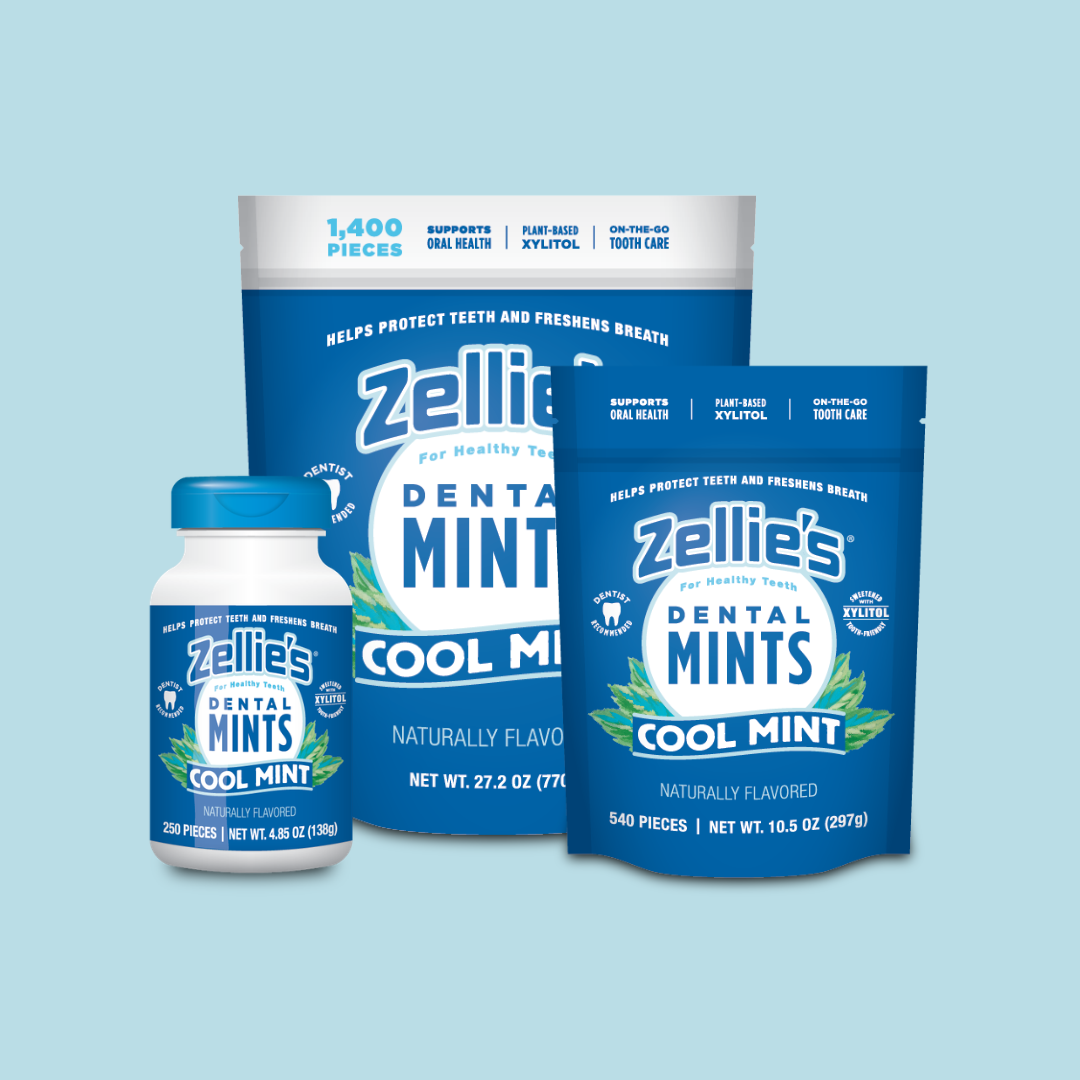
One of the easiest ways to promote healthy mouth bacteria is by using xylitol regularly. Research suggests aiming for five exposures per day and a total of 6.5–10 grams of xylitol daily for optimal oral health benefits.
Xylitol helps:
- Support healthy mouth bacteria
- Reduce cavity-causing bacteria
- Clean teeth naturally
- Strengthen enamel
- Freshen breath
How Xylitol Works
Xylitol supports oral health in three important ways:
1. Reduces Harmful Bacteria
Cavity-causing bacteria absorb xylitol as if it were sugar, but they cannot properly metabolize it. This reduces their ability to grow, produce acid, and form damaging plaque.
2. Supports Beneficial Bacteria
While suppressing harmful bacteria, xylitol helps create an environment where beneficial bacteria can thrive, promoting a healthier and more balanced oral microbiome.
3. Stimulates Healthy Saliva
Xylitol encourages the production of saliva, which helps neutralize acids and delivers minerals that support strong, healthy enamel.
Quick Facts About Xylitol
- Its unique five-carbon structure gives it oral health benefits that differ from regular sugar and many other sweeteners.
- Naturally found in fruits, vegetables, and hardwood trees such as birch.
- Tastes similar to sugar with a slightly fruity flavor.
- Has a low glycemic index and is considered diabetic-friendly.
- The human body naturally produces small amounts of xylitol every day.
A healthy mouth isn't about eliminating bacteria -- it's about maintaining balance. By supporting beneficial bacteria and reducing harmful ones, xylitol provides a simple, effective way to promote long-term oral health.